Table of Contents
Introduction
Learning defensive driving techniques is one of the smartest investments every new driver can make. Passing your driving test is only the beginning of your journey. The real challenge starts once you’re driving independently and sharing the road with drivers who may make unpredictable decisions.
Defensive driving is about much more than following traffic laws. It involves anticipating potential hazards, maintaining awareness of your surroundings, and making safe decisions before dangerous situations develop. These skills help reduce the risk of collisions while making you a calmer and more confident driver.
Whether you’ve recently earned your driver’s license or you’re still taking lessons, understanding defensive driving techniques will improve your safety and prepare you for real-world driving situations. In this guide, you’ll learn the essential habits every beginner should practice from the very first day behind the wheel.
If you’re still building your driving confidence, explore our driving classes where experienced instructors teach safe driving strategies in real traffic conditions.
What Is Defensive Driving?
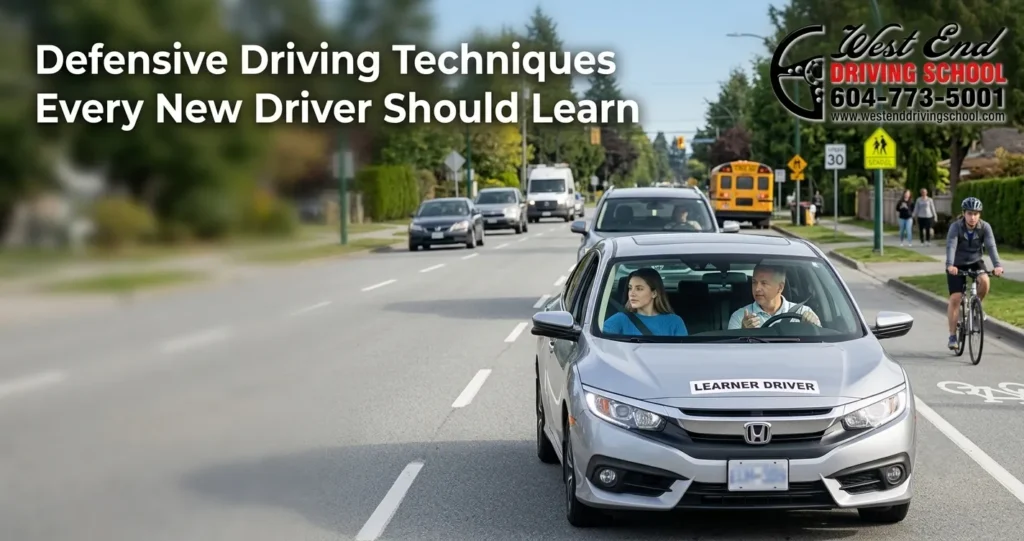
Defensive driving techniques are proactive driving habits that help you identify risks early, avoid dangerous situations, and respond safely to unexpected events. Instead of simply reacting to problems, defensive drivers continuously observe traffic, predict possible hazards, and leave themselves enough time and space to respond.
Defensive driving assumes that other road users may make mistakes. By preparing for those mistakes before they happen, you greatly reduce your chances of being involved in a collision.
Characteristics of a Defensive Driver
- Maintains constant awareness of surroundings.
- Scans mirrors frequently.
- Leaves adequate following distance.
- Anticipates other drivers’ actions.
- Adjusts speed for weather and traffic conditions.
- Remains calm under pressure.
- Avoids aggressive driving behaviors.
- Always follows traffic laws.
According to the National Highway Traffic Safety Administration (NHTSA), safe driving behaviors such as maintaining attention, controlling speed, and avoiding distractions significantly reduce crash risk.

Always Keep a Safe Following Distance
One of the most effective defensive driving techniques is maintaining enough distance between your vehicle and the one ahead. Following too closely reduces your reaction time and increases the likelihood of rear-end collisions.
Many experienced instructors recommend using the “three-second rule” during normal weather conditions. In rain, fog, snow, or heavy traffic, increase this distance even further.
Benefits of Proper Following Distance
- More time to react.
- Reduced braking distance.
- Lower collision risk.
- Less driving stress.
- Improved visibility ahead.
Maintaining space around your vehicle also gives you more options if another driver suddenly changes lanes or stops unexpectedly.
Scan the Road Ahead Continuously
New drivers often focus only on the vehicle directly in front of them. Defensive drivers look much farther ahead, allowing them to identify hazards before they become immediate dangers.
Looking 10–15 seconds ahead gives you valuable time to notice changing traffic lights, pedestrians entering crosswalks, road construction, slowing traffic, or emergency vehicles.
What You Should Watch For
- Brake lights several vehicles ahead.
- Pedestrians near crosswalks.
- Cyclists sharing the roadway.
- Vehicles entering from side streets.
- Construction zones.
- School zones.
- Changing weather conditions.
Developing this habit early will make your driving smoother, safer, and less stressful because you’ll spend less time reacting at the last second.
To continue improving your driving knowledge, visit our Driving Tips Blog, where you’ll find additional guides for beginner and experienced drivers alike.

Eliminate Distractions Before They Become Dangerous
Distracted driving is one of the leading causes of preventable collisions. Even taking your eyes off the road for a few seconds can dramatically increase your risk of an accident. One of the most valuable defensive driving techniques is removing distractions before you begin driving.
Common Driving Distractions
- Using a mobile phone.
- Adjusting the GPS while driving.
- Eating or drinking.
- Changing music or radio stations.
- Talking to passengers instead of watching the road.
- Looking at accidents or roadside events.
Before starting your journey, set your navigation, adjust your mirrors, select your music, and place your phone in Do Not Disturb mode. Small preparations like these help you stay fully focused on driving.
Expect Other Drivers to Make Mistakes
One of the core principles of defensive driving is assuming that other road users may make poor decisions. This doesn’t mean driving fearfully—it means staying prepared.
For example, another driver may suddenly change lanes without signaling, run a yellow light, or pull out from a side street unexpectedly. Defensive drivers constantly leave themselves enough space and time to react safely.
Situations That Require Extra Caution
- Busy intersections.
- Parking lots.
- School zones.
- Highway merging lanes.
- Roundabouts.
- Areas with heavy pedestrian traffic.
By anticipating mistakes instead of simply reacting to them, you’ll remain calmer and make safer decisions under pressure.
Adjust Your Driving to Weather and Road Conditions
Road conditions can change quickly. Rain, fog, snow, ice, or even strong sunlight can reduce visibility and increase stopping distances. Safe drivers understand that speed limits are designed for ideal conditions and sometimes driving below the posted limit is the safest choice.
Weather Safety Tips
- Reduce speed during rain or snow.
- Increase following distance.
- Turn on headlights when visibility decreases.
- Avoid sudden braking or sharp steering.
- Watch for standing water and slippery surfaces.
- Use windshield wipers and defrosters when necessary.
For additional weather-related driving advice, visit the National Weather Service Safety Center.

Stay Calm and Avoid Aggressive Driving
Emotions can affect driving decisions more than many people realize. Frustration, impatience, or anger often lead to speeding, tailgating, sudden lane changes, and other risky behaviors.
Defensive drivers remain patient even when other road users behave irresponsibly. Instead of reacting emotionally, they focus on maintaining a safe distance and avoiding unnecessary confrontation.
Good Defensive Driving Habits
- Stay patient in traffic.
- Never engage with aggressive drivers.
- Use turn signals early.
- Maintain consistent speeds.
- Respect other road users.
- Plan extra travel time to avoid rushing.
Safe driving isn’t about proving who has the right of way—it’s about making decisions that protect everyone on the road.
Practice Defensive Driving Every Time You Drive
The best drivers don’t use defensive driving only in difficult situations—they make it a habit every time they get behind the wheel. Consistency helps these techniques become automatic, allowing you to respond confidently to unexpected events.
If you’re continuing your driving education, our lesson packages include practical on-road training that reinforces defensive driving habits. You can also contact our team to discuss the best program for your experience level.

What are defensive driving techniques?
Defensive driving techniques are safe driving practices that help you anticipate potential hazards instead of simply reacting to them. These techniques include maintaining a safe following distance, scanning the road ahead, checking mirrors frequently, avoiding distractions, and adjusting your driving to changing traffic or weather conditions. Their primary goal is to reduce the risk of accidents and keep everyone on the road safe.
Why are defensive driving techniques important for new drivers?
New drivers typically have less experience recognizing hazards and predicting the actions of other road users. Learning defensive driving techniques early helps build confidence, improves decision-making, and reduces the likelihood of collisions. Developing these habits from the beginning also creates a strong foundation for lifelong safe driving.
What is the three-second following distance rule?
The three-second rule is a simple way to maintain a safe distance behind the vehicle in front of you. Choose a fixed object on the roadside, and when the vehicle ahead passes it, count “one thousand one, one thousand two, one thousand three.” If you reach the object before finishing the count, you’re following too closely. Increase this distance during rain, fog, snow, or heavy traffic.
How can I improve my hazard awareness while driving?
Improving hazard awareness starts with keeping your eyes moving. Scan the road 10 to 15 seconds ahead, check your mirrors every few seconds, monitor surrounding traffic, and watch for pedestrians, cyclists, intersections, and changing traffic conditions. The more information you gather, the more time you’ll have to react safely.
What are the most common defensive driving mistakes?
Many new drivers unintentionally develop unsafe habits such as following other vehicles too closely, focusing only on the car directly ahead, forgetting to check mirrors, driving while distracted, speeding, or reacting emotionally to aggressive drivers. Identifying and correcting these habits early makes driving significantly safer.
Does defensive driving help prevent accidents?
Yes. While no driving technique can eliminate every risk, defensive driving techniques greatly reduce the chances of being involved in preventable crashes. By anticipating hazards, maintaining safe distances, and staying alert, drivers have more time and space to respond to unexpected situations safely.
Should I drive differently in bad weather?
Absolutely. Rain, fog, snow, and icy roads reduce traction and visibility. During poor weather, reduce your speed, increase your following distance, turn on your headlights when appropriate, and avoid sudden steering or braking. Adjusting your driving to road conditions is one of the most important defensive driving habits.
How often should I check my mirrors?
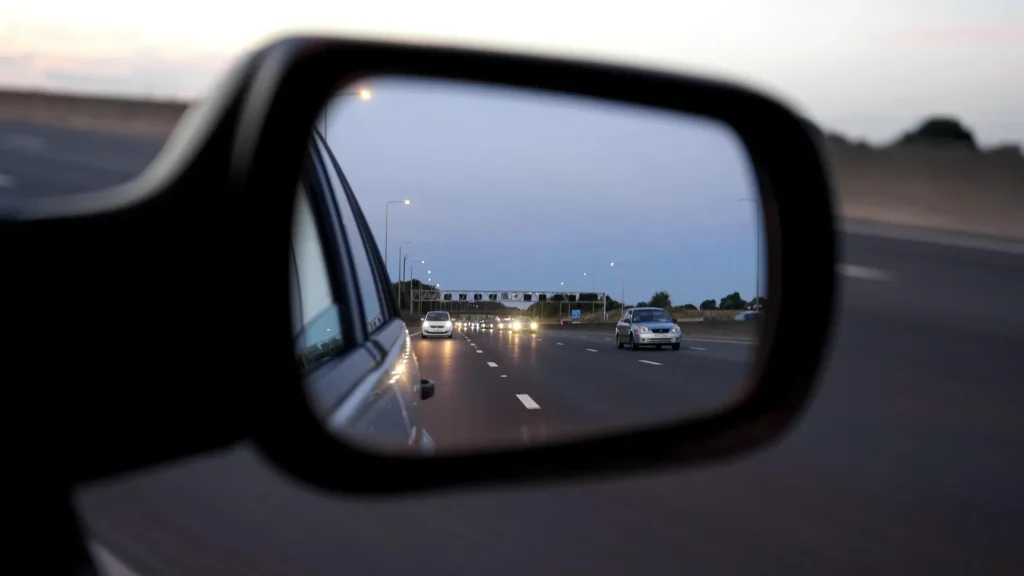
Although there is no exact rule for every situation, many driving instructors recommend checking your mirrors every 5 to 8 seconds during normal driving. You should also check them before braking, changing lanes, turning, merging, or responding to changing traffic conditions. Regular mirror checks improve awareness of everything happening around your vehicle.
Can defensive driving reduce stress while driving?
Yes. Defensive drivers are generally more relaxed because they leave enough space, avoid rushing, and prepare for unexpected situations. Instead of reacting at the last moment, they anticipate potential hazards, which creates a smoother and more controlled driving experience. This approach not only improves safety but also makes driving more enjoyable.
How can I practice defensive driving every day?
The best way to improve is through consistency. Every time you drive, focus on maintaining safe following distances, scanning well ahead, checking mirrors frequently, avoiding distractions, obeying speed limits, and staying calm around aggressive drivers. Over time, these habits become automatic and contribute to safer, more confident driving in all conditions.
Defensive Driving vs. Aggressive Driving
One of the easiest ways to understand defensive driving techniques is to compare them with aggressive driving behaviors. Defensive drivers focus on safety, patience, and awareness, while aggressive drivers often prioritize speed and convenience over risk.
Defensive Driver
- Maintains a safe following distance.
- Uses turn signals consistently.
- Checks mirrors frequently.
- Plans ahead for traffic changes.
- Remains calm during stressful situations.
- Respects speed limits.
Aggressive Driver
- Tailgates other vehicles.
- Changes lanes abruptly.
- Speeds excessively.
- Ignores traffic signals.
- Becomes frustrated easily.
- Competes with other drivers.
Choosing defensive driving habits not only reduces your accident risk but also creates a more comfortable experience for passengers and other road users.
Essential Defensive Driving Checklist
Before every journey, take a few moments to review these essential defensive driving habits. A simple routine helps you stay focused and reduces the chance of overlooking important safety steps.
- ✓ Adjust your seat and mirrors.
- ✓ Fasten your seat belt.
- ✓ Remove distractions before driving.
- ✓ Set your GPS before moving.
- ✓ Keep both hands on the steering wheel.
- ✓ Scan the road well ahead.
- ✓ Maintain a safe following distance.
- ✓ Check mirrors regularly.
- ✓ Use turn signals early.
- ✓ Stay calm and patient in traffic.
Following this checklist consistently helps turn good decisions into automatic habits over time.
Advanced Defensive Driving Habits to Develop
As your experience grows, you’ll naturally build more advanced driving skills. However, some habits are worth practicing from the very beginning because they improve both safety and confidence.
Create an Escape Route
Whenever possible, avoid driving boxed in by surrounding vehicles. Leave enough space beside or behind your vehicle so you have an option if another driver makes an unexpected move.
Read Body Language of Other Drivers
Watch for subtle signs that another driver may change lanes, turn suddenly, or stop unexpectedly. Small movements often provide valuable clues before a maneuver actually happens.
Drive Smoothly
Smooth acceleration, gentle braking, and gradual steering inputs improve vehicle control while making your intentions easier for other drivers to understand.
For additional road safety information, visit the Insurance Institute for Highway Safety (IIHS), which publishes research and educational resources on safer driving practices.

Teaching Defensive Driving to New Drivers
Learning defensive driving is easier with guidance from a qualified instructor. Professional lessons provide opportunities to practice real-world scenarios in a controlled environment while receiving immediate feedback.
Whether you’re learning lane positioning, hazard perception, or emergency response techniques, professional instruction helps you develop safe habits that will last a lifetime.
Long-Term Benefits of Defensive Driving
Learning defensive driving techniques doesn’t just help you during your driving test or your first few months behind the wheel. These habits provide lifelong benefits that improve your safety, confidence, and overall driving experience.
Key Benefits
- Reduced risk of traffic collisions.
- Greater confidence in busy traffic.
- Improved hazard recognition.
- Better decision-making under pressure.
- Lower stress during daily driving.
- Smoother vehicle control and passenger comfort.
- Safer driving in poor weather conditions.
- Development of lifelong safe driving habits.
Safe drivers aren’t simply lucky—they consistently apply defensive driving principles every time they get behind the wheel. Small habits practiced every day create significant improvements over months and years of driving.

Quick Defensive Driving Checklist Before Every Trip
Before starting your vehicle, spend a few seconds reviewing this simple checklist. Making these habits part of your routine can greatly improve your safety.
- ✓ Adjust your seat and mirrors correctly.
- ✓ Fasten your seat belt before moving.
- ✓ Put your phone on silent or Do Not Disturb mode.
- ✓ Set your navigation before driving.
- ✓ Check your surroundings before pulling away.
- ✓ Maintain a safe following distance.
- ✓ Scan the road 10–15 seconds ahead.
- ✓ Check mirrors every few seconds.
- ✓ Signal early before every turn or lane change.
- ✓ Stay calm, patient, and alert throughout the journey.
Following this checklist consistently turns safe decisions into automatic habits, making every trip safer for you and everyone around you.
Conclusion
Mastering defensive driving techniques is one of the most valuable skills any new driver can develop. While traffic laws teach you what you’re legally required to do, defensive driving teaches you how to anticipate problems, recognize hazards early, and make safer decisions in real-world situations.
Whether you’re driving through busy city streets, residential neighborhoods, or highways, maintaining awareness, controlling your speed, leaving enough space, and avoiding distractions will significantly reduce your risk of accidents.
Remember that becoming a safe driver isn’t about being perfect—it’s about making smart decisions consistently. Every trip is an opportunity to strengthen your skills and build confidence behind the wheel.
Build Safer Driving Habits with Professional Instruction
Want to improve your defensive driving skills with guidance from experienced instructors? Our professional driving programs help new drivers develop confidence, improve hazard awareness, and practice safe driving techniques in real traffic situations.
Explore our driving classes, compare our lesson packages, or contact our team to learn which course best matches your experience level. You can also visit our About Us page to learn more about our instructors and teaching philosophy.
With consistent practice and expert instruction, you’ll develop defensive driving habits that keep you safe for years to come.